
Code.org
Age-appropriate entry points to coding and computational thinking, from the non-profit behind Hour of Code.
Episodes — 25 hand-picked
Part of the Coding & Logic topic. Sorted by what families watch most.
Turns & Angles: Drawing with Degrees
Code.org
This video helps elementary learners understand how angles work by showing the connection between measuring angles within shapes and using turns to actually draw them.

Unplugged - Building a Foundation
Code.org
This video teaches young children how computer science concepts work through hands-on, unplugged activities that require no devices.
Minecraft: Voyage Aquatic Congratulations
Code.org
This celebratory video from Code.org recognizes children who've completed an introductory coding course using Minecraft, reinforcing their achievement in learning computational thinking through block-based programming.

Minecraft: Voyage Aquatic Introduction
Code.org
This video introduces young learners to coding fundamentals through Minecraft-based activities, using familiar gameplay to build programming skills in an engaging way.
AI: What is Machine Learning?
Code.org
This video helps elementary-age children understand how machine learning works in everyday technology they already use, using clear explanations and active demonstrations.

CS Principles: Intro to Variables - Part 1
Code.org
This video introduces the fundamental concept of variables in computer science through interactive examples, helping 10-12 year-olds understand how programs store and use information.

Gabe Newell Talks Code with Students
Code.org
This video shows how a leading tech industry figure engages young learners about computer science fundamentals, making the subject relatable for students beginning their coding journey.

Unplugged - Conditionals with Cards
Code.org
This activity teaches young children how to think in logical steps by using physical cards to practice if-then reasoning, a foundational skill for computer programming and problem-solving.

App Lab - Images and Sounds
Code.org
This tutorial teaches children how to incorporate images and sounds into their coding projects using Code.org's App Lab, making their digital creations more interactive and engaging.

David Karp: How to start coding now
Code.org
This video shows kids how someone started coding at a young age and built it into a successful career, offering practical inspiration for children interested in learning to code.

Unplugged - The Internet
Code.org
This activity teaches young children how the internet works through hands-on play, making a complex concept concrete without needing computers.

App Lab - Design Mode
Code.org
This video teaches kids how to use App Lab's design mode to create app interfaces, making it ideal for 10-12 year-olds beginning their coding journey.

Game Lab: The Animation Tab
Code.org
This tutorial shows elementary-age learners how to add custom animations to game characters using Code.org's Game Lab tool.
AI: Impact on Society
Code.org
This video helps elementary-age children understand how artificial intelligence is shaping everyday life across industries like food, energy, and economics, building foundational knowledge they'll need to engage thoughtfully with technology.

Code - The New Literacy
Code.org
This video makes the case for why coding skills matter as much as traditional literacy, featuring prominent technologists explaining computer science's relevance for elementary-aged children.

Game Lab: Sprites
Code.org
This video teaches elementary-aged children how to use sprites—the visual characters and objects—in game design through hands-on coding practice.

Unplugged: The Big Event
Code.org
This video introduces young learners to foundational coding concepts through hands-on, screen-free activities that build problem-solving skills without requiring a computer.

NASA Celebrates Hour of Code
Code.org
This video introduces coding fundamentals through NASA's participation in Hour of Code, offering an engaging entry point for elementary-aged children to explore computer science basics.
Dance Party - Warm Up
Code.org
This video introduces kids ages 6-12 to an interactive coding tool that combines dance and music, letting them create choreography while learning programming basics through hands-on play.

App Lab In the Classroom
Code.org
This video shows educators how App Lab enables elementary-aged students to build functional mobile apps through drag-and-drop design and block-based coding, making programming concepts tangible and immediately shareable.
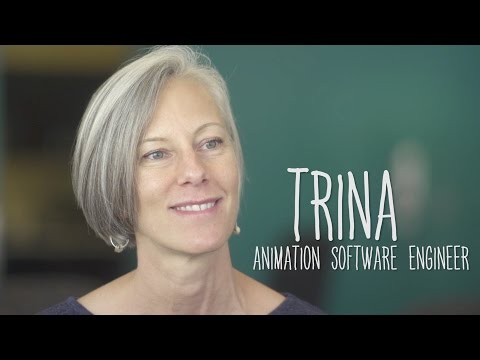
Unplugged - Crowdsourcing
Code.org
This video introduces elementary-aged children to crowdsourcing concepts through hands-on activities that demonstrate how groups of people can solve problems together without technology.

Careers in Tech: My Name is Polina
Code.org
This video introduces young learners to a real tech professional's career path, helping them see concrete possibilities for themselves in the tech industry.

Unplugged Lesson in Action - Real-Life Algorithms: Paper Planes
Code.org
This video shows teachers how to run an unplugged lesson that teaches algorithmic thinking through paper plane folding, making computer science concepts tangible for young learners without screens.

How Teamwork Works
Code.org
This video shows children ages 6-12 how professional teams at Minecraft Education Edition collaborate together to build something complex.

Hour of Code with Draymond Green
Code.org
This video shows a professional athlete introducing coding basics to middle-school students, making computer science feel accessible and relevant to kids who might not typically see themselves in tech.
Looking for more like this? Browse the full Coding & Logic topic, or every channel we trust.