
Why Do We Get Sick?
Channel: SciShow Kids
Concrete, curiosity-driven science at a steady pace. Perfect for the 'why?' age.
- →Pause — what does YOUR child think?
- →Try a related experiment at home.
- →Draw what you learned.
Co-viewing with discussion significantly improves learning outcomes from video (Strouse et al., 2013; Mendelsohn et al., 2010).
Rate this video
Be the first to rate
Comments
Loading comments…
More for Ages 5–10
See all →
WILD KRATTS | Meeting the Human Fish | PBS KIDS
PBS KIDS
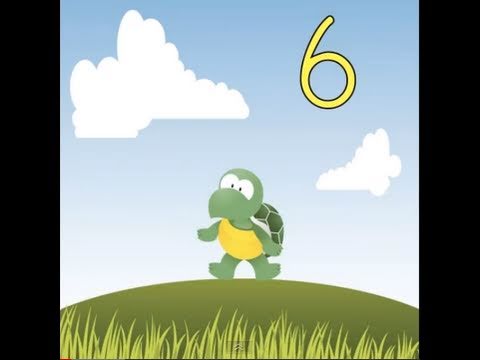
Counting By Sixes Song
Have Fun Teaching
This song helps children ages 6-10 practice skip counting by sixes through music and movement, building foundational math fluency.
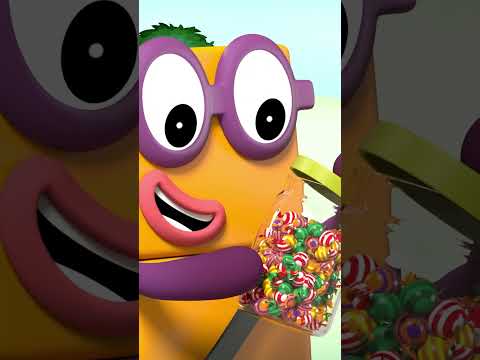
Zero! | Numberblocks COURSE - Level 1, Red (S3 E5)
Numberblocks
This episode introduces the concept of zero as a number, helping young learners understand that zero represents the absence of something and is essential to counting systems.

How Does a Caterpillar Become a Butterfly? | Amazing Animals | Spring is Here | SciShow Kids
SciShow Kids

How To Draw A Funny Birthday Pop-Up Card
Art for Kids Hub
This video teaches kids how to create an interactive birthday card with a pop-up cake character, combining drawing and paper engineering skills in an age-appropriate way.

3... 2... 1... BLAST OFF! 🚀 Storm on Sesame Street is now playing on Netflix!
Netflix Jr.
This Sesame Street special introduces young children to weather concepts through familiar characters in a space-themed adventure designed to engage toddlers and preschoolers.
Play Animals & Nature Games
See all → Ages 4–12
 Prism Match 3D
A 3D puzzle game where players rotate colorful cubes to match patterns, blending brain exercise with calming gameplay for those seeking strategic challenges without stress.
match 3
 Ages 7–12
 Cooking Empire
This cooking management game lets players run their own restaurant by preparing meals, serving customers, and expanding their business, appealing to kids who enjoy strategy and time-management challenges.
simulation
 Ages 5–12
 Moving Magnet
puzzle
 Ages 7–12
 Birdie Bounce
This arcade golf game challenges kids to bounce a ball across platforms to reach each hole, with simple controls and increasingly tricky puzzles that reward skillful play.
sports
 Ages 6–12
 Merge Royal
Merge Royal combines card-matching puzzle gameplay with number-building challenges, ideal for players who enjoy strategic thinking and relaxing brain teasers.
2048
 Ages 7–12
 Closed City
This action game tasks players with navigating a mysterious locked-down urban environment, ideal for older kids who enjoy exploration and puzzle-solving challenges.
action
 Ages 3–7
 Match Ten - Number Puzzle
puzzle
 Ages 7–12
 Passenger Airplane: Flight 3D
This 3D flight simulator lets kids pilot realistic passenger planes across global routes with adjustable difficulty, multiple camera views, and various weather conditions.
adventure
Looking for more like this? Browse all Animals & Nature content or see everything for ages 5–10.